
When designing a commercial space, acoustics can have a major impact on how comfortable and functional the environment feels. Excessive echo, background noise, and reverberation can make it difficult to communicate, concentrate, or enjoy a space. Fortunately, there are several ways to improve sound quality without compromising the design of an interior.
Two common options are acoustic wall panels and ceiling baffles. Both are designed to absorb sound and reduce unwanted reverberation, but they work differently and are better suited to different types of spaces.
If you’re planning an acoustic treatment project, understanding the differences between these two options can help you make a more informed decision.
What Are Acoustic Wall Panels?
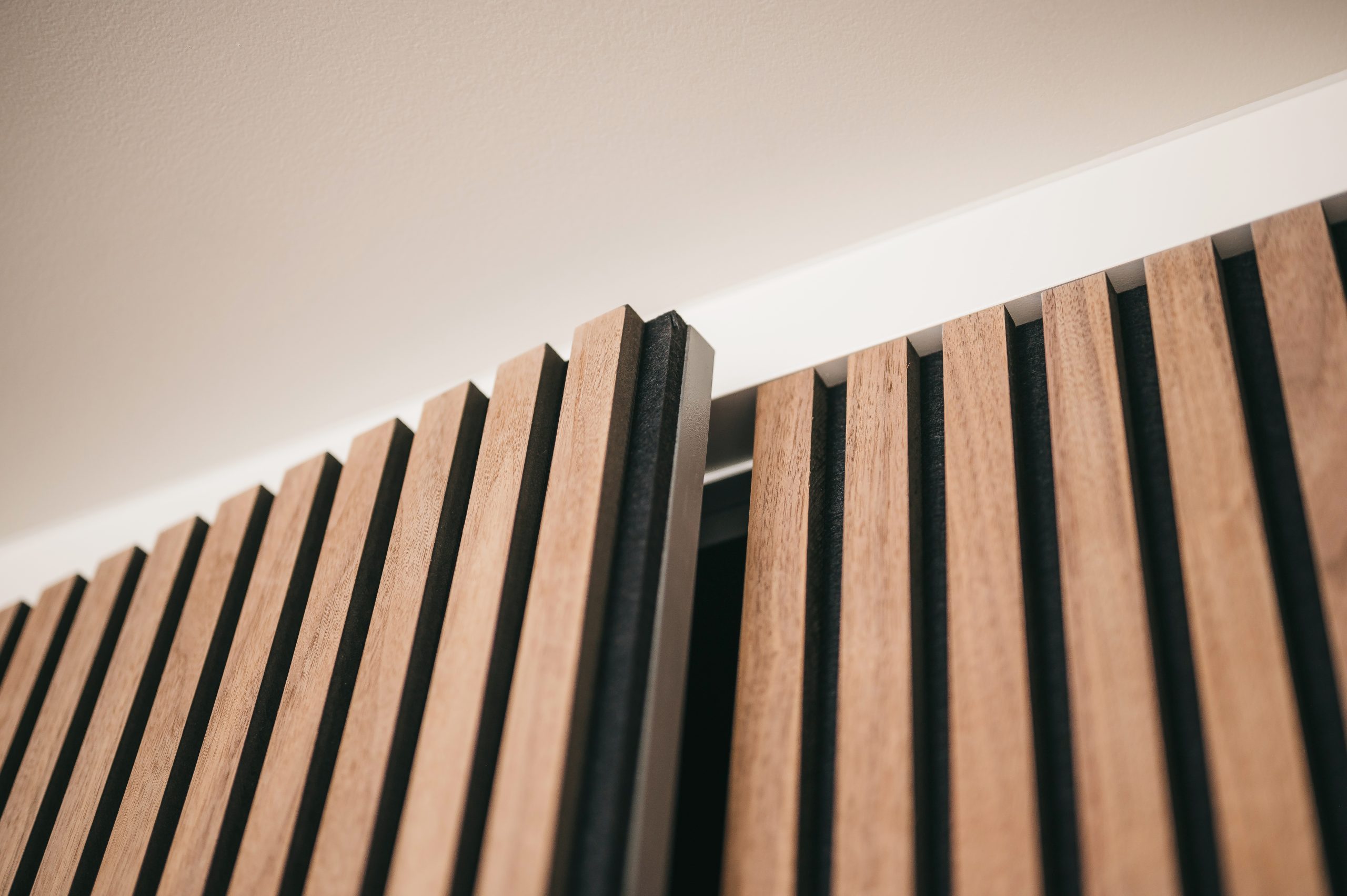
Acoustic wall panels are sound-absorbing panels installed directly on walls. They help reduce reflected sound waves, which can minimize echoes and improve speech clarity.
Wall panels are particularly useful in spaces where conversations and communication are important. Offices, conference rooms, classrooms, healthcare facilities, and meeting areas can all benefit from acoustic wall treatments.
One of the biggest advantages of acoustic wall panels is their design flexibility. They are available in a range of sizes, shapes, colors, fabrics, and finishes, making it possible to incorporate acoustic treatment into the overall interior design rather than treating it as an afterthought.
For more information, explore Western Interiors’ acoustic wall panels.
Benefits of Acoustic Wall Panels
- Reduce echo and reflected sound
- Improve speech intelligibility
- Work well in offices, classrooms, and conference rooms
- Offer a wide range of design and finish options
- Can be installed on specific walls where sound reflection is a problem
- Provide both acoustic and visual benefits
Because they attach to the wall, acoustic panels can also be a practical choice when ceiling space is limited or when the existing ceiling design needs to remain visible.
What Are Ceiling Baffles?
Ceiling baffles are sound-absorbing panels suspended vertically or at an angle from the ceiling. Unlike wall-mounted panels, baffles interact with sound traveling through the open space of a room, making them especially useful for larger areas with high ceilings and hard surfaces.
Gyms, cafeterias, auditoriums, open offices, recreational facilities, and other large commercial spaces can often benefit from ceiling-mounted acoustic treatment. These environments tend to produce significant reverberation because sound has more room to travel and bounce between hard surfaces.
Ceiling baffles can help absorb some of that reflected sound while also adding a distinctive architectural element to the space.
Learn more about acoustic ceiling solutions for commercial environments.
Benefits of Ceiling Baffles
- Help control reverberation in large, open spaces
- Effective in rooms with high ceilings
- Absorb sound from multiple directions
- Can complement modern commercial interiors
- Available in different shapes, sizes, and finishes
- Useful when wall space is limited
Because baffles are suspended from the ceiling, installation requires additional planning around ceiling height, lighting, HVAC systems, sprinklers, and other overhead components.
Acoustic Wall Panels vs. Ceiling Baffles: Key Differences
While both products improve room acoustics, their placement and application are important differences to consider.
Acoustic wall panels are generally a good fit for smaller or medium-sized rooms where reflected sound from walls is affecting conversations and communication. They can also be strategically placed on problem areas without changing the entire ceiling.
Ceiling baffles, on the other hand, are often more appropriate for large, open spaces where sound has more opportunity to reverberate. Suspending acoustic elements from the ceiling can provide additional sound absorption without taking up valuable wall space.
The best option ultimately depends on the room’s size, ceiling height, layout, existing materials, and how the space is used.
Which Acoustic Solution Should You Choose?
There is no single acoustic treatment that works for every commercial space. Before choosing between wall panels and ceiling baffles, consider a few important factors.
Consider the Size and Layout of the Room
Smaller rooms may only require strategically placed acoustic wall panels to reduce reflections. Larger rooms with high ceilings may need more extensive sound absorption, making ceiling baffles a practical option.
Look at the Existing Surfaces
Hard surfaces such as concrete, glass, tile, and exposed structural materials tend to reflect sound. If a room has a large amount of exposed hard surface, a combination of acoustic treatments may be worth considering.
Think About How the Space Is Used
The acoustic requirements of a conference room are different from those of a gym or cafeteria. Spaces where people need to communicate clearly may benefit from targeted wall treatments, while busy, open environments may require broader reverberation control.
Consider the Overall Design
Acoustic products don’t have to look out of place. Both wall panels and ceiling baffles are available in different styles and finishes, allowing them to become part of the interior design while serving a practical purpose.
Can You Use Acoustic Wall Panels and Ceiling Baffles Together?
Yes. In some commercial spaces, using both solutions can provide more balanced acoustic control.
For example, wall panels can address sound reflections from vertical surfaces while ceiling baffles provide additional absorption throughout the room. This approach can be particularly useful in large spaces with multiple sources of noise or significant reverberation.
A combination of acoustic treatments may also make sense when a room has a mix of hard walls, high ceilings, and large open areas. The right approach depends on the specific acoustic challenges of the space.
For additional commercial interior solutions, take a look at Western Interiors’ specialty ceilings.
Find the Right Acoustic Treatment for Your Space
Choosing between acoustic wall panels and ceiling baffles starts with understanding the room you’re trying to improve. Wall panels can be an effective choice for controlling reflections and improving speech clarity, while ceiling baffles can help manage reverberation in larger, more open environments.
In some cases, the best solution may involve a combination of both. A professional acoustic assessment can help determine where sound is reflecting and which products will provide the most effective results.
Western Interiors provides acoustic ceiling and wall panel solutions for commercial spaces. If you’re planning an acoustic improvement project, contact Western Interiors to discuss your space and explore the options available.