
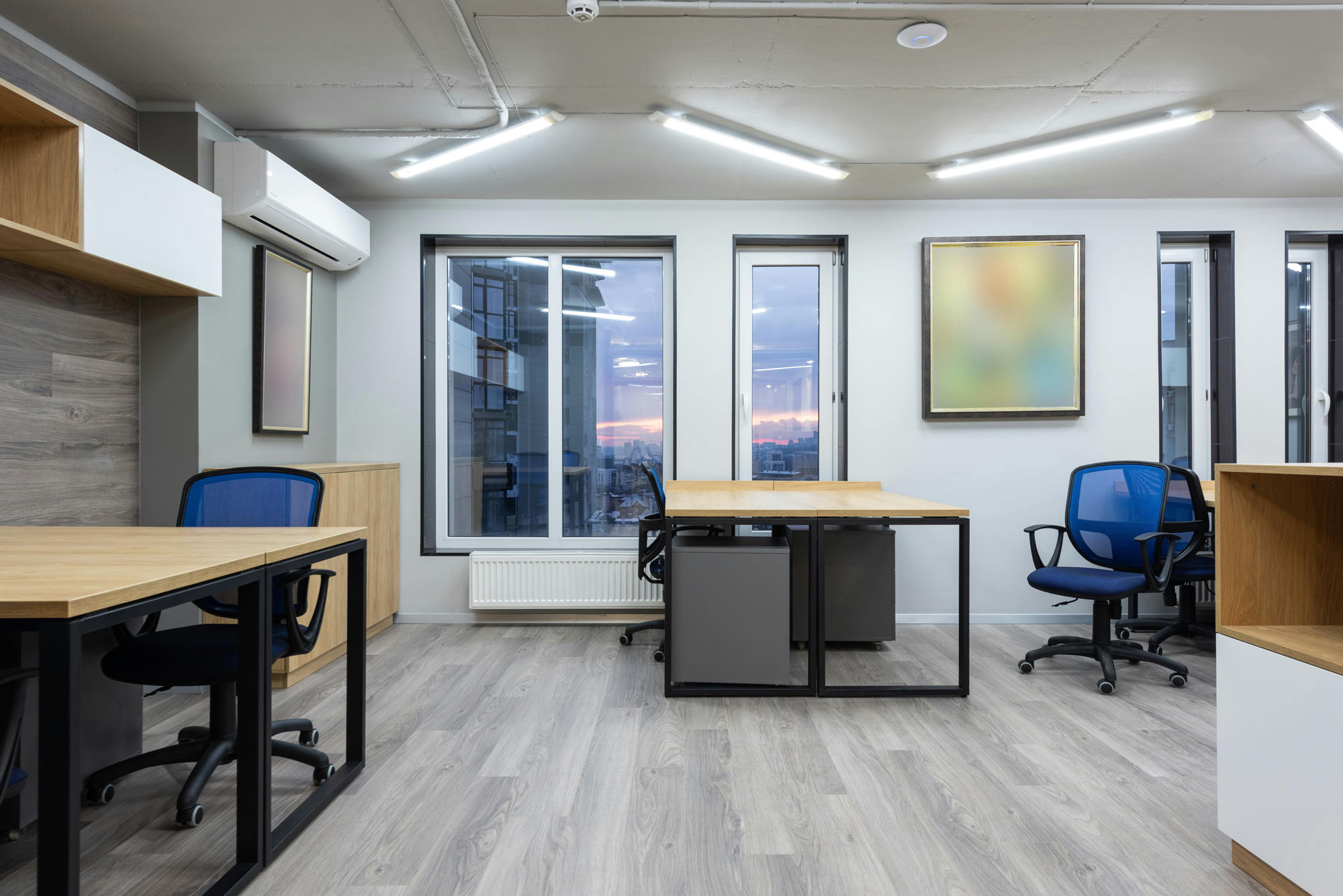
Keeping commercial interiors clean and in good condition takes time, especially in spaces exposed to moisture, spills, frequent cleaning, and heavy daily use. Traditional painted drywall can require regular touch-ups when walls become stained, scratched, or damaged.
FRP wall panels offer a practical alternative for many of these environments. Made from fiberglass-reinforced plastic, FRP panels provide a durable wall surface that is easy to clean and well suited to areas where sanitation and maintenance are ongoing concerns.
From commercial kitchens and food processing areas to healthcare facilities, restrooms, and utility spaces, FRP wall panels can help create a cleaner, more durable interior without requiring extensive upkeep.
What Are FRP Wall Panels?
FRP stands for fiberglass-reinforced plastic. FRP wall panels are manufactured by reinforcing a plastic resin with fiberglass, creating a rigid and durable surface designed for commercial and industrial applications.
The smooth, non-porous surface of many FRP panels makes them easier to clean than conventional wall finishes. They are also available in different textures, colors, and surface finishes, making it possible to select an option that works with the needs of the space.
Why Are FRP Wall Panels Considered Low Maintenance?
One of the main reasons businesses choose FRP wall panels is the amount of maintenance they can eliminate.
Painted walls can absorb stains and may need to be repainted periodically. Other wall finishes can require specialized cleaning methods or repairs when exposed to constant use. FRP provides a smooth surface that can generally be wiped down with appropriate cleaning products and methods.
This can be particularly valuable in facilities where staff members are cleaning walls regularly throughout the day.
Easy to Clean
FRP’s smooth surface makes routine cleaning straightforward. Dirt, food residue, and other common contaminants are less likely to become embedded in the surface than they might be with some porous wall finishes.
This makes FRP a practical choice for environments where frequent cleaning is part of the normal maintenance routine.
Resistant to Moisture
FRP panels are commonly used in areas exposed to moisture because the panel material itself is resistant to water. This makes them useful for walls in kitchens, restrooms, utility rooms, food service areas, and other environments where occasional splashes or humidity are expected.
However, FRP wall panels should not automatically be considered a substitute for a complete waterproofing system. Proper installation, seams, corners, and the conditions of the specific space all need to be taken into account.
Where Are FRP Wall Panels Used?
FRP wall panels are particularly useful in commercial spaces where walls need to withstand moisture, frequent cleaning, and everyday wear.
Commercial Kitchens and Food Service Areas
Restaurants, cafeterias, commercial kitchens, and food preparation areas need wall surfaces that can be cleaned regularly. Grease, food particles, moisture, and frequent contact can quickly make conventional finishes difficult to maintain.
FRP panels provide a smooth wall surface that can make routine cleaning easier while helping protect the underlying wall from everyday wear.
Healthcare and Medical Facilities
Healthcare environments have strict cleaning requirements, and wall surfaces may be exposed to frequent contact with equipment, carts, and cleaning products.
FRP can be considered for areas where a durable, cleanable wall surface is needed. Depending on the application, it can complement other forms of healthcare wall protection.
Restrooms and Utility Areas
Restrooms, janitorial rooms, laundry areas, and utility spaces are often exposed to moisture and frequent cleaning. FRP wall panels can provide a durable surface that is easier to maintain than some traditional wall finishes.
Schools and Institutional Buildings
Schools, universities, and other institutional buildings experience significant daily traffic. In areas such as cafeterias, locker rooms, maintenance spaces, and service areas, durable wall surfaces can help reduce ongoing repair and repainting requirements.
Benefits of FRP Wall Panels
The right wall material depends on the application, but FRP offers several advantages for commercial environments.
- Low maintenance: Smooth surfaces are easy to clean as part of a regular maintenance routine.
- Moisture resistance: FRP is well suited to many areas exposed to water and humidity.
- Durability: Fiberglass reinforcement gives the panels a strong, rigid construction.
- Easy cleaning: The surface can be cleaned using appropriate products and procedures.
- Versatile applications: FRP can be used in food service, healthcare, education, hospitality, and utility environments.
- Design flexibility: Panels are available in different colors, textures, and finishes.
- Reduced upkeep: Durable wall surfaces can help reduce the frequency of repainting and cosmetic repairs.
FRP vs. Traditional Painted Walls
Painted drywall remains a common choice for many commercial interiors, but it isn’t always the most practical option for high-moisture or high-maintenance areas.
Paint can stain, chip, peel, and require periodic touch-ups. Once the wall finish becomes damaged, maintaining a consistent appearance can require additional labor and materials.
FRP wall panels provide a more durable surface for areas where walls are exposed to frequent cleaning, moisture, or everyday wear. They may not be necessary throughout an entire building, but they can be a useful choice in specific areas where conventional finishes are more difficult to maintain.
The best solution depends on the conditions of the space, the expected traffic, cleaning requirements, and the project’s budget.
What to Consider Before Installing FRP Panels
Although FRP is relatively straightforward to maintain, choosing and installing the right system requires some planning.
Consider the following before specifying FRP wall panels:
The Environment
Think about how much moisture, heat, cleaning, and physical contact the walls will experience. A commercial kitchen has different requirements from an office hallway.
Cleaning Requirements
If walls will be cleaned multiple times per day, selecting a surface designed for regular cleaning can make a significant difference in long-term maintenance.
Wall Conditions
The existing wall surface may need to be prepared before installation. A smooth, suitable substrate helps ensure the panels are installed correctly.
Seams and Transitions
The panels themselves are only part of the system. Seams, corners, trim, fasteners, and transitions should all be considered when planning the installation, particularly in areas where moisture is a concern.
Overall Design
FRP is available in several finishes, allowing businesses to select an option that meets functional requirements without completely overlooking the appearance of the space.
A Practical Wall Finish for Demanding Spaces
For commercial facilities that need walls to stand up to frequent cleaning, moisture, and everyday use, FRP wall panels can be a practical alternative to conventional finishes.
Their low-maintenance surface makes them particularly useful in kitchens, healthcare environments, restrooms, utility areas, schools, and other spaces where keeping walls clean and presentable is an ongoing responsibility.
The key is choosing a wall system based on the actual conditions of the space rather than using the same material everywhere. With the right application and installation, FRP can provide a durable, cleanable surface that helps simplify routine building maintenance.
Western Interiors provides wall panels and other commercial interior solutions for demanding environments. If you’re considering FRP for a new construction or renovation project, contact Western Interiors to discuss your requirements and explore available options.